WEDNESDAY, 28 OCTOBER 2026 · NEWS
Amiet Strike Exposes Alleged Fuel Network Linking South Sudan to Sudan’s War
A 23 October Reuters investigation provides a new line of inquiry; allegations of official facilitation still require documentary proof.
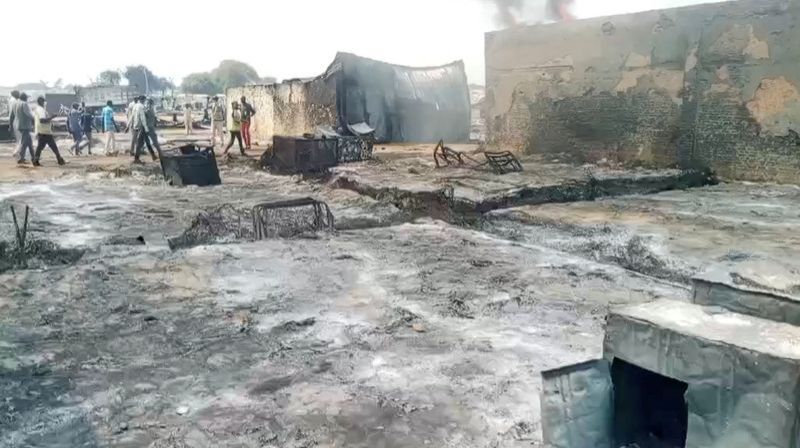
ABYEI — Reporting published by Reuters on 23 October places Amiet Market within a reported fuel corridor serving Sudan’s Rapid Support Forces. Five diplomats and conflict analysts described fuel moving through South Sudan and Abyei before being divided into smaller consignments for transport into Sudan.
Abyei Chamber of Commerce chair Chol Deng Chol separately told Reuters that the RSF obtained fuel at the market for operations in Kordofan and Darfur. He said fighters were not present during the 19 October attack and reported ten tankers destroyed. These are attributed accounts, not findings from an independent forensic inquiry.
The distinction matters. Evidence of a commercial route, evidence of armed-group activity and evidence identifying who launched a particular strike are different categories. One cannot automatically establish the others. Civilians trading or seeking refuge at the market must not be presumed to be combatants because armed networks allegedly used the wider corridor.
INVESTIGATIVE SIDEBAR — Reuters’ unnamed sources alleged that South Sudanese officials facilitated fuel imports and transit to RSF-linked networks. The agency reported no immediate Foreign Ministry response. No officials were named in the account supplied for this edition, and SSP has not examined customs files, manifests or ownership documents that could test the allegation. It must not be treated as established official complicity.
Sudan’s government denies responsibility for the attack. The supplied editorial brief also notes an earlier AP account citing an unnamed Sudanese officer who acknowledged an army strike against alleged RSF supplies. South Sudan’s Foreign Ministry subsequently said the circumstances, including any connection to reported RSF activity, had not been established.
The reporting priority is a documented supply chain: import declarations, tanker registrations, company ownership, dispatch records and destination checks. Those records could help distinguish ordinary trade, diversion and deliberate facilitation. This is a follow-up to last week’s investigation, not a claim that new evidence was collected on 28 October.
Based on published sources and the publisher’s supplied brief. SSP has not conducted new interviews, field verification or a forensic inquiry. Source links distinguish reported material from SSP analysis.