Kiir Confirms Travel-Permission Requirement; Scope Remains Unclear
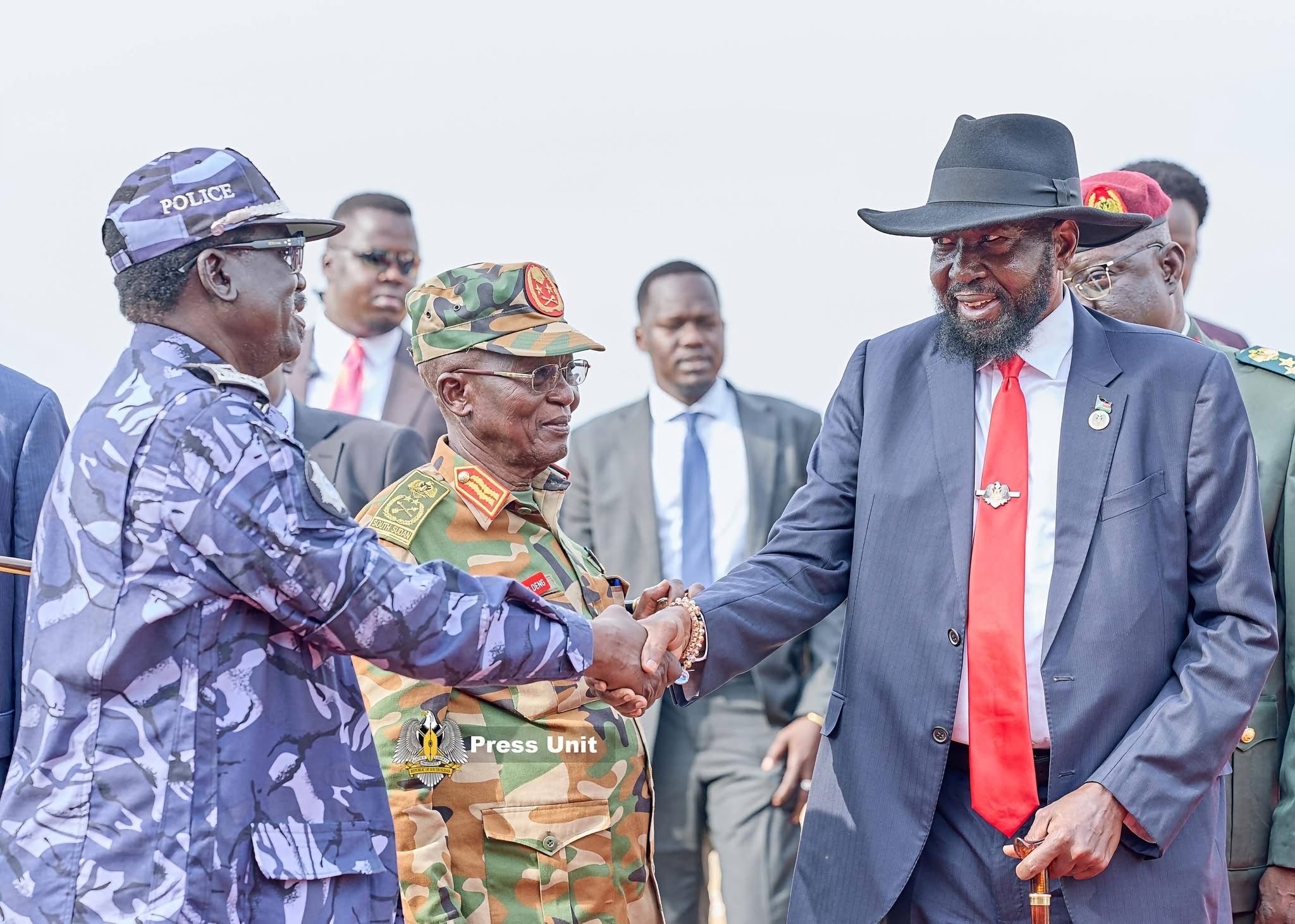
JUBA — President Salva Kiir reiterated that officials holding constitutional offices must obtain his permission before travelling abroad, according to a 10 October account of an expanded caretaker-government meeting. The statement materially clarifies part of a travel restriction that had circulated in an unauthenticated notice earlier this month.
Radio Tamazuj reported the presidency's account of the requirement. State broadcaster SSBC confirmed the expanded meeting, which included advisers, caretaker ministers and senior security officials, but its published meeting report does not itself set out the travel rule.
What the earlier notice does and does not establish
A photographed document dated 3 October and attributed to military intelligence at Nimule claimed that ministers, advisers, undersecretaries, directors-general, SSPDF officers and other organised-forces personnel would need Kiir's approval for foreign travel for three months. Its authenticity and implementation have not been independently verified. SSPDF spokesperson Maj. Gen. Lul Ruai Koang told Eye Radio on 4 October that he had seen the document and would seek clarification from his superior.
Kiir's reported statement confirms a permission requirement for constitutional officeholders. It does not authenticate the photographed notice, establish its three-month duration or verify that every listed military rank and civilian post is covered. No signed presidential instrument, full list of offices, application procedure or record of an official being refused exit has been made available for this report.
Why the rule matters
The requirement is being reiterated during a caretaker period that followed the dissolution of the unity government and legislative assemblies in September. It may affect official missions and private or emergency travel by senior officeholders. Its actual reach depends on the text of an authorised instrument and the instructions given to immigration and security personnel at airports and land borders.
Analysis: A permission system can be administered through defined criteria and written decisions. Without a published rule, officials and the public cannot assess who is covered, why an application might be refused, or whether an emergency exception or appeal exists. The timing raises accountability questions, but it does not establish that a particular individual has been prevented from travelling or that the measure was designed to block political contact abroad.
South Sudan Press is seeking the signed directive and answers from the presidency, Interior Ministry, SSPDF and border authorities: When does the requirement expire? Does it cover private travel, medical emergencies and election candidates? Who decides applications, and are refusals recorded in writing? Does the order apply at Juba airport as well as Nimule and other crossings?
Earlier coverage: What we knew about the circulated Nimule notice. That earlier report's warning about the notice's authenticity remains relevant to details not confirmed by the president's statement.