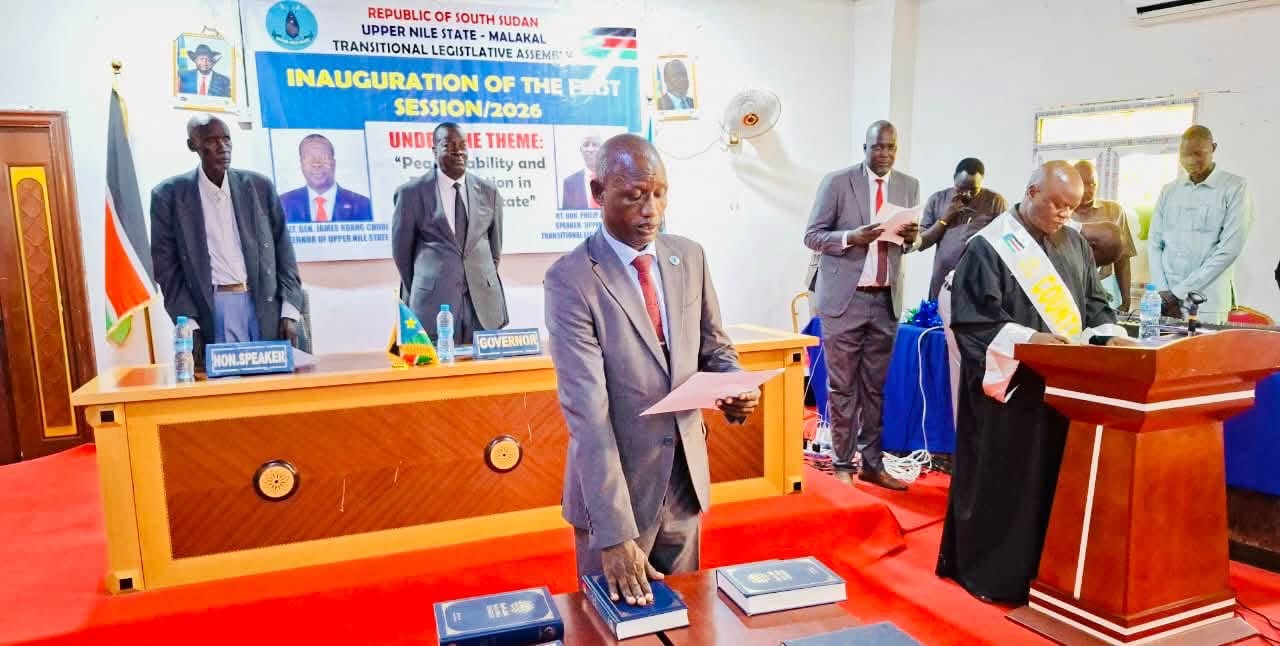
MALAKAL — Upper Nile State Governor Lt. Gen. James Koang Chuol Ranley has identified the non-payment of the state’s reported 5% oil share, delayed civil-servant salaries, illegal checkpoints, poor roads, food insecurity and shortages of judicial personnel among the major challenges confronting his administration.
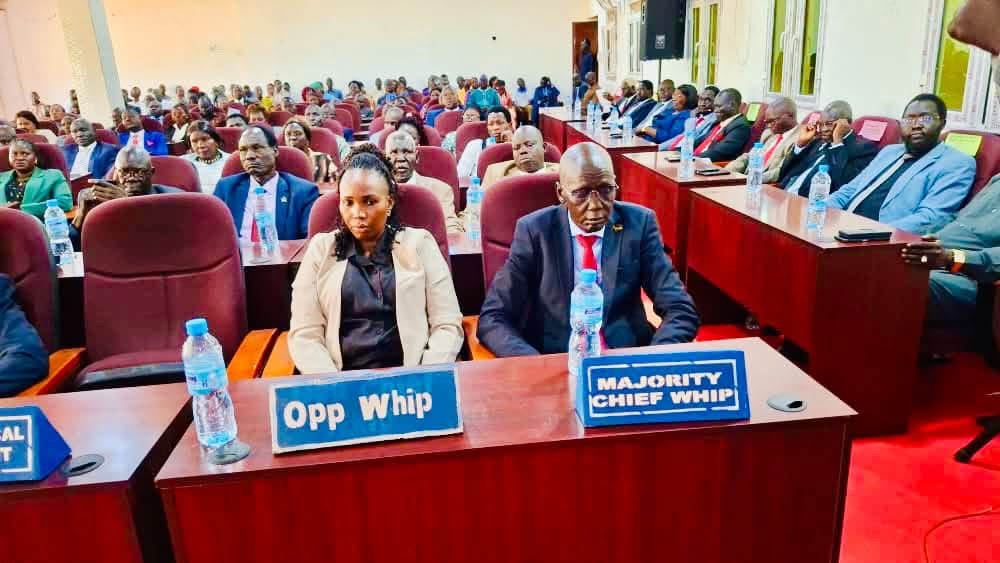
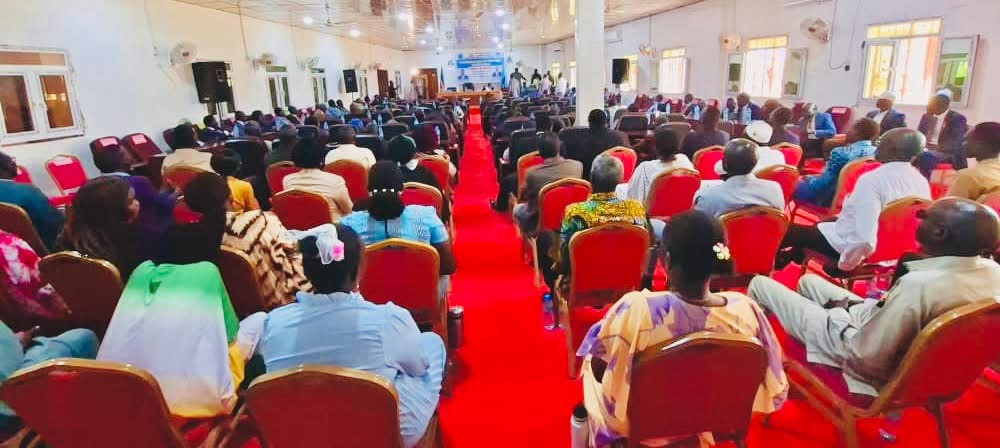
The governor made the statements while opening the 2026–2027 session of the Upper Nile State Transitional Legislative Assembly in Malakal on 22 September.
The signed 13-page address provides a detailed account of the priorities, achievements and problems the state government says it is confronting. Koang said the official opening and operationalisation of the Assembly meant the state’s three arms of government were operational.
Primary-source report
This report is based principally on the governor’s signed 22 September address supplied to South Sudan Press. Claims about security responsibility, territorial control, programme implementation, environmental effects and financial transfers are attributed where SSP has not independently established them.
Oil revenue emerges among government’s stated challenges
Among the most consequential disclosures in the speech is what the governor described as “Non-payment of 5% Oil Share to State Account.”
The statement is significant because Upper Nile contains important petroleum-producing areas, including Melut. The speech does not identify how much money is allegedly outstanding, the period covered by the non-payment, which institution is responsible for transferring the funds, or whether any portion has already been paid.
South Sudan Press has not independently established that the entire reported 5% share is outstanding. The governor’s statement therefore raises an accountability question requiring examination of petroleum-revenue transfers and state financial records.
Salaries, roads and illegal checkpoints
The governor’s list of challenges extends beyond oil revenue. His administration reported delayed salaries for state civil servants, insufficient numbers of judges and legal administrators, inadequate government vehicles and accommodation, poor road connections between the state and counties, food insecurity, cattle raiding and increased criminal activity.
The speech also acknowledges the continued existence of illegal checkpoints along the Nile and on roads. The government proposes stronger security coordination, deployment of additional judicial personnel, road maintenance and discussions with neighbouring Jonglei and Unity states and the Ruweng Administrative Area aimed at addressing illegal checkpoints.
Government claims security improvements
Koang described security as generally calm and stable in Renk, Maban, Melut and Manyo and relatively calm in Panyikang, Malakal, Akoka and Baliet. He also said conditions in Ulang, Nasir, Longochuk and Maiwut were improving.
The governor attributed some remaining incidents to SPLM-IO and forces he described as affiliated with it, including the White Army, and said the government controls all 13 counties.
Attribution
Those are claims by the Upper Nile State government. SSP has not independently verified territorial control across all 13 counties or responsibility for the security incidents referenced in the speech.
Returnees and displaced communities
The address also focuses heavily on displacement. According to the governor, authorities and humanitarian partners have established a temporary transit site at Bolukat for returnees and internally displaced people while arrangements are made for onward transportation.
He said local-integration initiatives involving UNHCR, IOM, DRC and the State Ministry of Housing, Land and Public Utilities are being implemented in Lwakat and Hai Mathar, with similar activities in Renk, Manyo, Fashoda and Maban. These programme descriptions originate from the governor’s address and require confirmation from the organisations named for a full assessment of their scope and status.
Floods, drought and reported oil pollution
Environmental pressures constitute another major section of the speech. The governor said Upper Nile faces flooding, drought and oil pollution, specifically mentioning Melut and Longochuk, while also reporting rainfall shortages affecting farmers.
His administration says it has established a Flood Taskforce Committee to conduct early-warning campaigns, encourage communities in flood-prone areas to move to higher ground and support dyke construction.
The speech does not provide environmental sampling, health studies or other scientific evidence establishing the extent or health consequences of the reported oil pollution. SSP therefore treats those statements as government-reported environmental concerns rather than independently established causal findings.
Health and education
The administration says health campaigns are targeting nutrition, water and sanitation and reproductive health, while MSF is supporting Malakal Teaching Hospital. The speech also credits UNICEF with construction of a modern drug store at the hospital.
In education, Koang said the government is trying to increase enrolment in primary and secondary schools and reported that the Catholic University’s Malakal branch admitted 150 new students this year. He called on other universities — particularly Upper Nile University — to operate fully in Malakal.
Elections enter the state agenda
Election preparations also feature in the government’s programme. The speech calls for community sensitisation ahead of the 2026 election and recommends assistance to the State Election Commission.
South Sudan’s general elections are scheduled for 22 December 2026, making implementation of electoral preparations at state and county level an increasingly important issue.
Digital land records and lower taxes proposed
Among the longer-term proposals is development of a modern digital land-record system, including maps and screening mechanisms intended to reduce illegal land allocations and disputed titles.
The government also proposes reducing taxation on commodities and market goods, supporting local farmers, improving clean water and sanitation, providing ambulances and speedboats, establishing vocational-training centres and expanding adult and girls’ education. Other proposals include street lighting in Malakal, rehabilitation of government buildings and damaged ministry offices, and additional training for public servants and medical personnel.
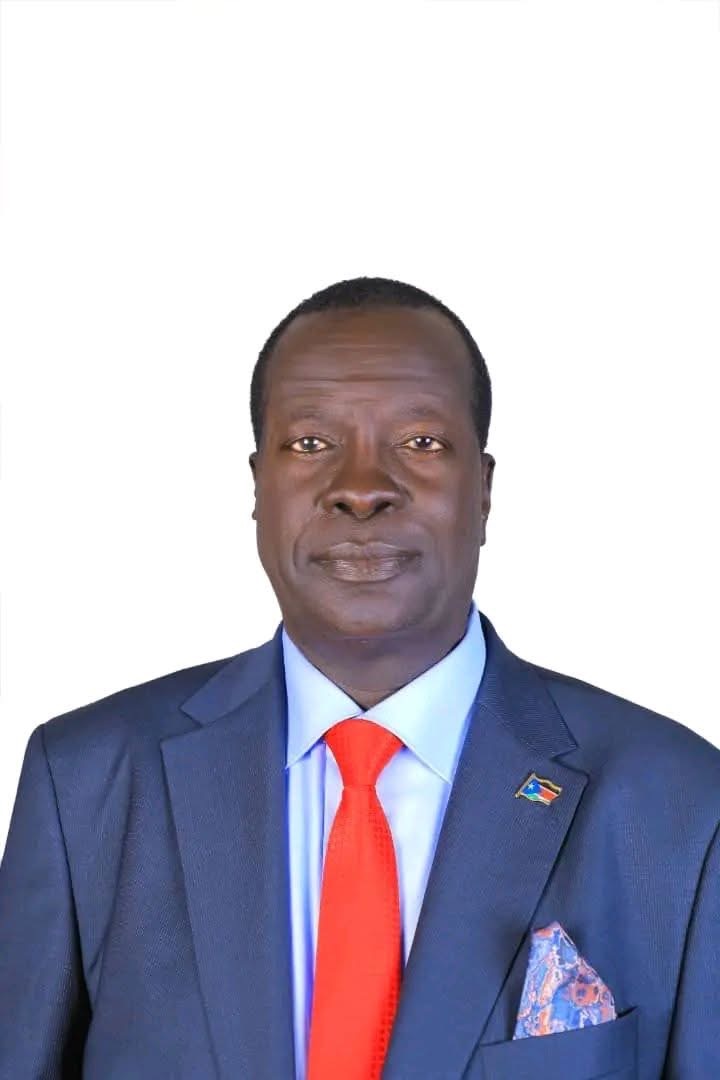
Governor at a glance
James Koang Chuol Ranley took the oath as Upper Nile State governor in May 2026. SSBC reported that President Salva Kiir tasked him with restoring peace and stability in the state. UN and U.S. sanctions records also list James Koang Chuol, including the alias Koang Chuol Ranley, under South Sudan-related sanctions.
What comes next
The address establishes a substantial list of commitments against which the Upper Nile administration can now be measured.
Several questions remain unanswered, particularly the governor’s statement concerning the 5% oil-revenue share, the scale of salary arrears, removal of illegal checkpoints, financing for infrastructure commitments and evidence concerning reported oil pollution. Those issues require documentation beyond the governor’s speech.
Koang concluded the address by declaring the Upper Nile State Transitional Legislative Assembly officially open and calling for security, stability, development, peace, unity and reconciliation.
Status
PRIMARY-SOURCE REPORT · GOVERNOR’S ADDRESS · 22 SEPTEMBER 2026 · CLAIMS REQUIRING INDEPENDENT VERIFICATION IDENTIFIED