ANALYSIS
Crisis Group’s Warning: Elections Cannot Substitute for a Political Settlement
Analysis of Africa Briefing No. 214, dated 24 November 2026.
By South Sudan Press Analysis Desk
· Interpretation and recommendations based on the sources below.
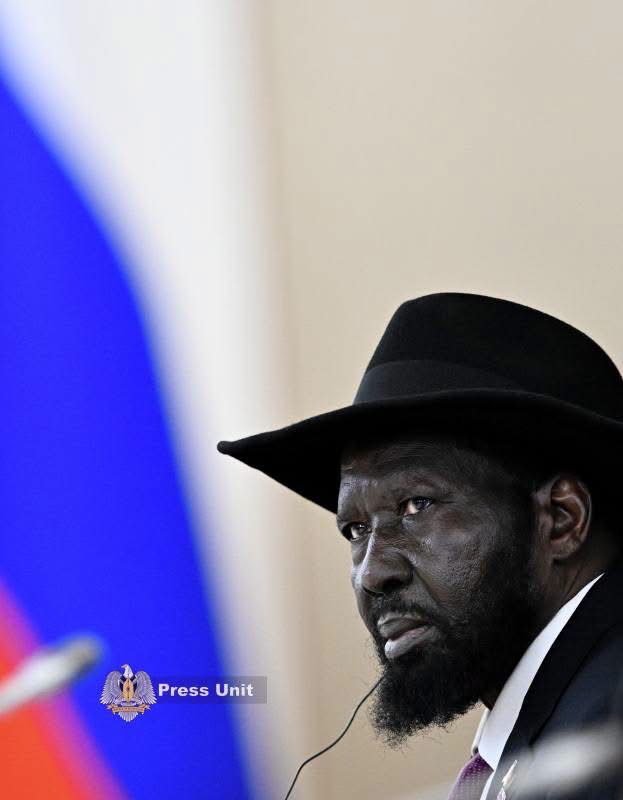
International Crisis Group’s Stopping South Sudan from Sliding Further into War argues that a deteriorating political settlement and renewed fighting are reinforcing one another. Its central warning is that elections held without credible competition and security could deepen the conflict rather than resolve it. This is the organisation’s analysis, not a new judicial finding or an announcement that polling has been cancelled.
The attached Africa Briefing No. 214, dated 24 November, recommends a coordinated regional effort behind African Union envoy Jakaya Kikwete. It calls for access to Riek Machar, the dropping of charges against him, a cessation of hostilities, postponement of elections and broader political dialogue. Those are policy prescriptions. They require decisions and agreement by the relevant institutions and parties before they become an operational settlement.
The report’s useful contribution is to connect events often reported separately: elite competition in Juba, fragmented armed groups, pressure on oil-dependent finances, local grievances and uneven international mediation. A battlefield success cannot by itself repair a broken political bargain. Nor can a national election date guarantee that candidates, voters and observers can participate safely.
Its account of armed fragmentation is particularly important. It distinguishes opposition formations and communal militias from a single unified command. That should discourage simplistic attribution of every local attack to one political leader, as well as collective blame of an ethnic population. Responsibility still needs evidence connecting specific actors to particular acts and command structures.
The recommendations also deserve scrutiny. Dropping charges against a senior political figure may be proposed as a way to unlock negotiations, but victims and defendants both need a credible account of how justice will be handled. A diplomatic bargain should not silently extinguish accountability for serious crimes. The report is a conflict-prevention argument, not a determination of guilt or innocence in the ongoing proceedings.
Postponement brings its own test. Another delay without measurable obligations could preserve the same incentives that produced repeated extensions. Any negotiated change should therefore explain its legal basis, duration, registration and security milestones, oversight and consequences for non-performance. The choice is not simply an immediate ballot versus an indefinite transition; the task is to define an enforceable route to legitimate public authority.
Crisis Group also urges regional actors to coordinate their influence rather than maintain competing mediation tracks. That recommendation has practical force: different promises from different capitals allow leaders to select whichever forum asks least of them. Coordination would need common objectives, consistent messages and support for one credible process, while ensuring civil society and affected communities are not excluded by an elite bargain.
The report’s claims about individual conduct, military operations and financial arrangements vary in their evidential basis, including confidential interviews and cited documents. SSP has reviewed the supplied briefing but has not independently verified every allegation. This article does not reproduce speculation about the president’s health or treat political predictions as established facts.
A useful public scorecard would track civilian access, cessation-of-hostilities compliance, meaningful opposition participation and transparent election preparation. Mediation should be judged by those changes, not by visits alone. The report’s core challenge is whether South Sudan’s leaders and regional partners will rebuild conditions for political competition before asking an election to confer legitimacy.
Sources and further reading
- International Crisis Group, Africa Briefing No. 214, 24 November 2026: supplied PDF, especially pages 1–3 and 15–18; publisher portal
- NEC’s public explanation, reported by Eye Radio
Wednesday’s front page · Main site

Advertisement supplied for publication. Explore NileSpark →
ADVERTISEMENT · CYBERPASS ACADEMY

Online learning planned from early 2027. Visit www.CyberPass.co for announcements. Course dates, fees and enrolment details to be announced.
ADVERTISEMENT · WEB SERVICES & DOMAIN NAMES

Build a home online for your business, school, NGO or charity. Ask about hosting, website development and selected short four-letter domain names, including names beginning or ending with SS.
Short. Memorable. Easy to say on radio. Each name is subject to availability and individual pricing.
ADVERTISEMENT