WEDNESDAY, 28 OCTOBER 2026 · NEWS
South Sudan Mourns Joseph Lagu, a Central Figure in the Struggle for Autonomy
The veteran leader’s death brings renewed attention to a career spanning armed struggle, peace negotiations and diplomacy.
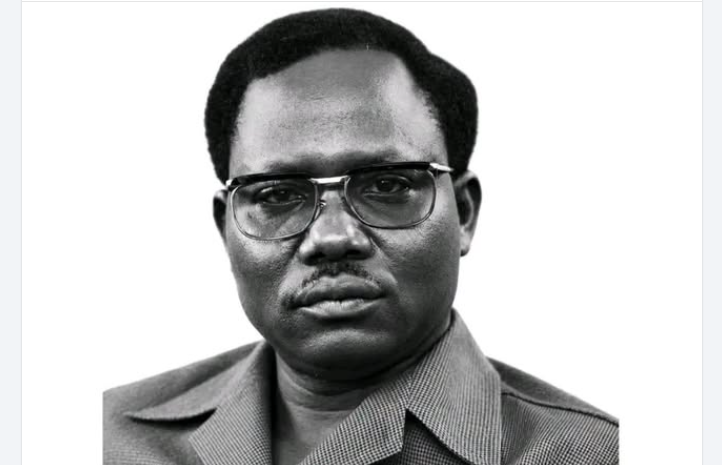
JUBA — Retired General Joseph Lagu has died, and President Salva Kiir has declared national mourning, Radio Tamazuj reported on 27 October. The report says flags are to fly at half-mast in South Sudan and at diplomatic missions until his burial.
Lagu led the Anyanya movement and helped negotiate the 1972 Addis Ababa Agreement, which ended Sudan’s first north-south civil war and established southern regional self-government. He later held senior political and diplomatic positions. His career connects several distinct chapters of the region’s history rather than a single moment of national remembrance.
The president paid tribute to his contribution to the struggle for freedom and indicated that a state funeral would be held. This edition does not publish a funeral date or attendance arrangements because SSP has not verified an official programme.
Reporting on a national figure’s death requires separating tribute from historical assessment. An obituary can record public service and explain the institutions and agreements associated with a career while leaving room for further examination of contested political choices.
For younger readers, the importance of the 1972 settlement lies in the possibility it represented: a negotiated framework for governing differences after years of fighting. The later breakdown of that arrangement also makes its history relevant to present debates about political agreements and public confidence.
Memorial coverage should draw on family statements, reliable archives and clearly identified witnesses. SSP has not conducted new interviews for this report. Further reporting should confirm funeral arrangements, preserve the family’s account and provide an accessible historical timeline without presenting unverified anecdotes as fact.
Based on published sources and the publisher’s supplied brief. SSP has not conducted new interviews, field verification or a forensic inquiry. Source links distinguish reported material from SSP analysis.