WEDNESDAY, 28 OCTOBER 2026 · ANALYSIS
Nilepet’s Market Test Is Commercial Performance, Not Technology Alone
An announced digital project can support better operations; its value needs to be demonstrated through service, controls and financial disclosure.
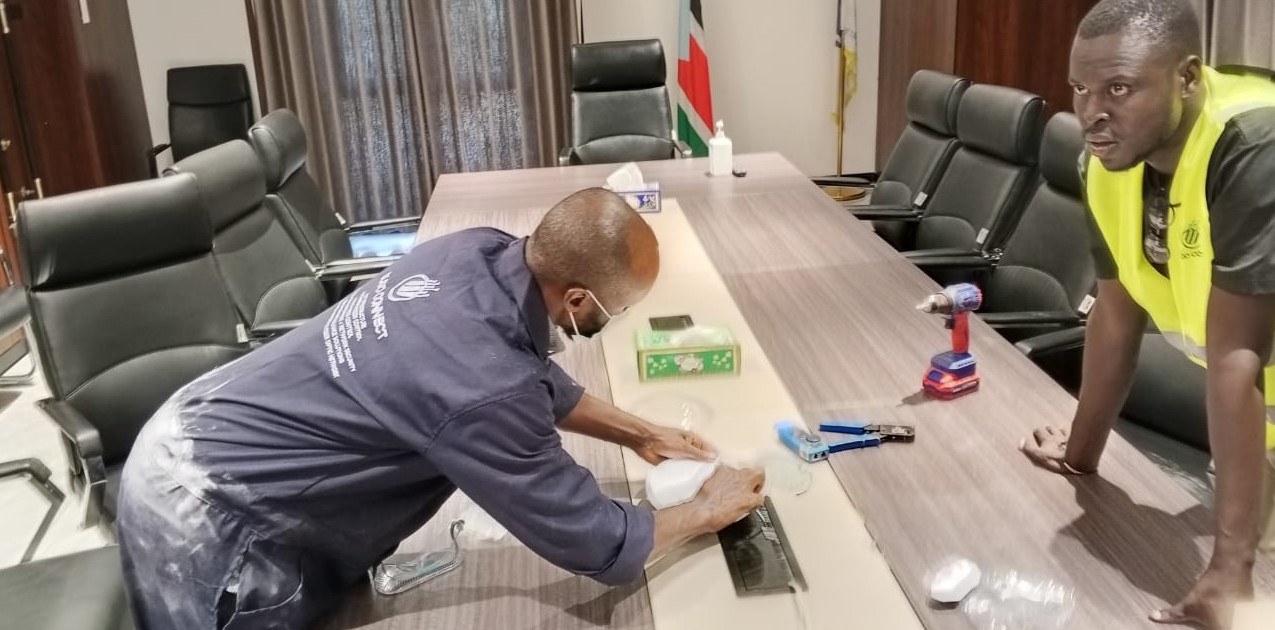
Nile Petroleum Corporation’s position as South Sudan’s state-owned oil company gives its operational choices importance beyond its own headquarters. But a national company’s strategic role and its commercial performance are different questions. The second requires evidence that is more specific than a statement of ambition.
Radio Tamazuj reported on 1 October that Nilepet had announced a digital transformation project involving connectivity, a central data facility and security systems. The account identifies Sudd Connect Ltd as the implementing company. These are reported project features and an appointment, not independently verified evidence that every system is operating or that profitability has improved.
The company’s own published strategy identifies governance, staff capability, cost control and adaptation to technology as priorities. That provides a basis for asking what success should look like. A better network can connect people and records; it cannot by itself determine whether transactions are properly authorised, assets maintained or costs justified.
The first performance test is operational. Management should be able to describe which sites are connected, how often services fail, how quickly incidents are resolved and whether staff can use the system. A ribbon-cutting event is less informative than a record of reliable operation over time.
The second test is financial control. Procurement and payment systems should preserve a usable audit trail. Digitalisation can make inconsistencies easier to identify, but only if access permissions, approval processes and independent review work together. Technology that records a weak process more quickly does not necessarily improve that process.
The third test concerns people and data. Technical support, training, backup arrangements and cybersecurity are recurring obligations. Biometric and surveillance systems also need appropriate access controls and handling rules. This analysis does not allege a breach; it identifies safeguards that should accompany the stated project.
The fourth test is the connection to customers and public value. Published service measures, audited accounts and clear treatment of commercial and public-policy obligations would make it easier to assess what the company contributes. SSP has not obtained fresh audited accounts, a current market-share estimate or verified company-level production figures for this edition.
Nilepet’s market opportunity should therefore be evaluated through results that can be checked. Digital infrastructure may be part of the answer. Reliable operations, transparent finances and demonstrable value are the tests that would show whether it is working.
Based on published sources and the publisher’s supplied brief. SSP has not conducted new interviews, field verification or a forensic inquiry. Source links distinguish reported material from SSP analysis.