WEDNESDAY, 28 OCTOBER 2026 · NEWS
Central Equatoria Directs Schools to Charge Fees in Pounds for 2027
The currency directive raises practical questions about conversion, receipts and protection against unexplained fee increases.
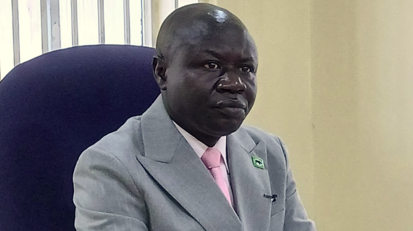
JUBA — Central Equatoria’s education authorities have directed schools to charge tuition and related costs in South Sudanese pounds for the 2027 academic year, according to Radio Tamazuj’s report of a 27 October announcement.
Caretaker Education Minister Lupai Satimon Andrew warned that institutions failing to comply could face licensing action, suspension or closure. The announcement formed part of a broader intervention concerning school standards and management. It should not be misreported as proof that schools have already closed or that every existing bill has been revised.
For families, denominating a bill in local currency can make the amount easier to read against local earnings. It does not, on its own, establish that education will become cheaper. The level of the charge, the conversion method and any later adjustment are separate questions.
Implementation therefore requires clear written schedules. Parents need to know which costs are covered by tuition, what additional payments may be requested and how any conversion from a previously quoted foreign-currency amount will be calculated. Schools also need a consistent account of their obligations.
A transparent complaints route would help distinguish genuine non-compliance from disagreements about the interpretation of a bill. Publishing the directive and its effective dates would allow parents and school managers to refer to the same document rather than competing summaries.
SSP has not reviewed every school’s fee schedule or verified enforcement action. The immediate reported development is the ministerial directive for 2027. Follow-up reporting should test its implementation through dated bills, receipts and formal responses from affected institutions.
Based on published sources and the publisher’s supplied brief. SSP has not conducted new interviews, field verification or a forensic inquiry. Source links distinguish reported material from SSP analysis.