SUNDAY · 1 NOVEMBER 2026 · NEWS
Upper Nile’s Humanitarian Lifelines Under Pressure
Hunger risks, disrupted aid access and a looming funding deadline put civilian protection at the centre of Sunday’s edition.
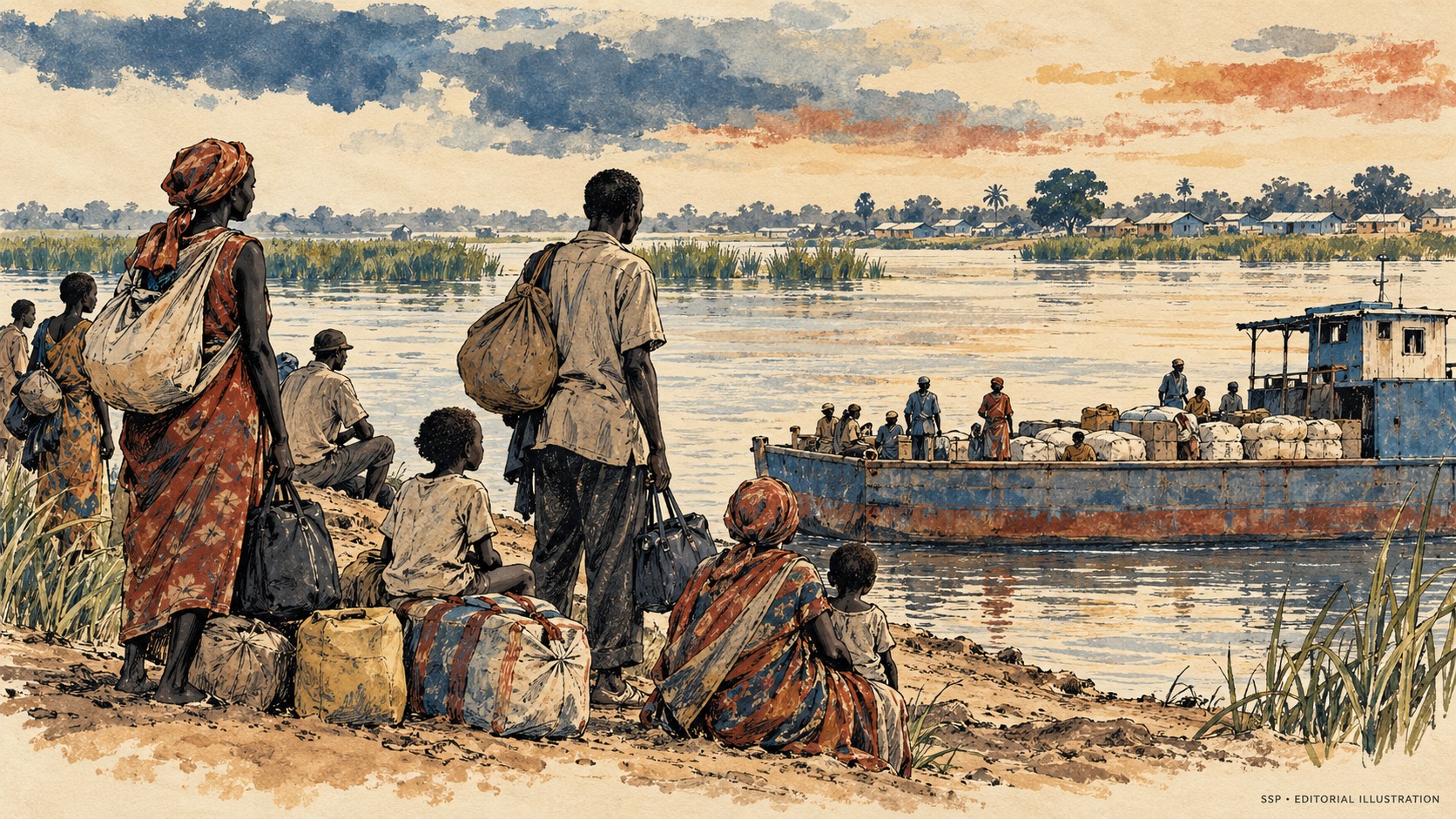
UPPER NILE — Severe food insecurity and obstacles to humanitarian delivery continue to threaten families in Upper Nile, according to published assessments that identify Nasir and Ulang among South Sudan’s most vulnerable areas. The evidence points to overlapping pressures on food, health care and access, rather than a single emergency with one cause.
FEWS NET’s September outlook warned of a credible risk of famine in Nasir and Ulang through January 2027 if conflict escalated sufficiently to isolate people from assistance and other food sources. That is a conditional warning, not a declaration that famine has been established across Upper Nile. The assessment also anticipated severe needs during the harvest period because conflict, poor production and economic pressures were limiting recovery.
The same assessment reported that August food distributions reached an average of about 10 per cent of Ulang’s population. This is a dated county-level coverage measure, not the percentage of all people in need receiving enough food today. It nevertheless identifies an important gap for agencies to explain in their next operational update.
OCHA’s September access snapshot recorded assaults on aid staff and looting of nutrition supplies in Ulang, the relocation of eight health workers from Longochuk after threats, and interference affecting operations in Renk and Nasir. It also described unauthorized checkpoints on the Sobat River. Those incidents show how insecurity and administrative restrictions can obstruct the same delivery chain; the snapshot does not establish that every restriction remains in force on 1 November.
A separate funding warning adds urgency. At a UN briefing on 9 October, IOM said financing for critical water, sanitation and flood-protection operations in Bentiu and Malakal would run out by the end of November. Malakal is in Upper Nile; Bentiu is in Unity. This was a projected deadline, and this edition has not verified whether subsequent contributions have closed the gap.
For affected families, the practical questions are whether food distributions are reaching the hardest-hit settlements, clinics remain staffed and safe water can be maintained. The next public updates should identify which services are operating, which communities remain inaccessible and what funded arrangements exist beyond November. Announced plans and actual delivery need to be reported separately.
Sources and evidence
- FEWS NET · September 2026 outlook
- OCHA · September 2026 access snapshot, hosted copy
- IOM · UN Geneva briefing, 9 October 2026
Sources reviewed for the Sunday edition. Dates in the text refer to the underlying reports or observations. Proposed follow-ups are reporting priorities, not claims that requests have been sent.