Oil Wealth Without Public Services?
Upper Nile’s petroleum-producing communities need transparent revenue transfers, environmental accountability and services that match the value extracted from their land.
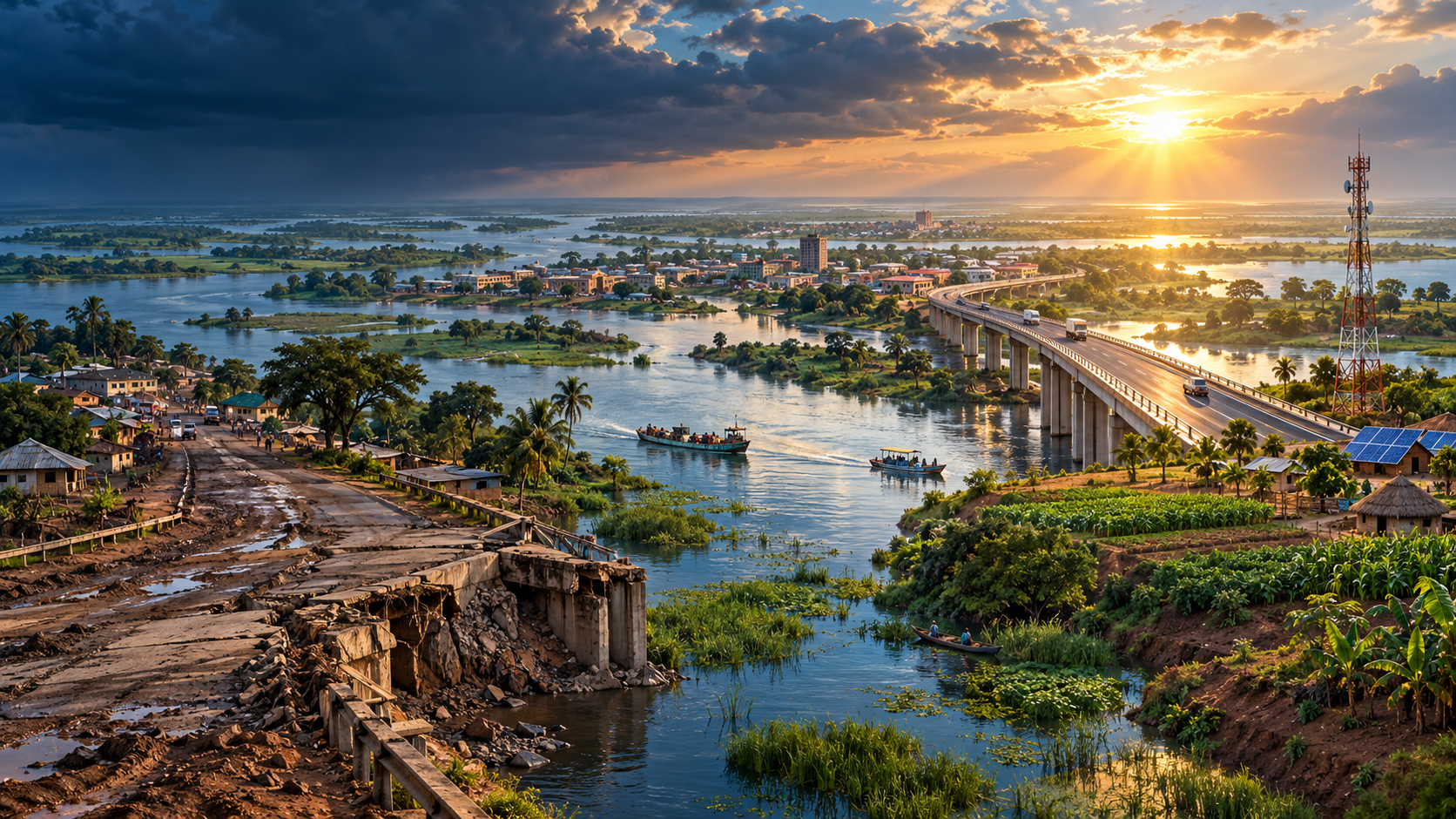
Illustrative editorial artwork. The scene represents policy choices and is not documentary photography.
Upper Nile contributes to the petroleum industry on which South Sudan’s public finances overwhelmingly depend. Yet residents of producing areas continue to report unpaid workers, weak schools, inadequate health facilities, poor roads and uncertainty about the revenue legally intended for states and local communities.
This contradiction is not simply a development failure. It is a public-accountability problem.
The missing public ledger
Citizens should be able to determine how much oil was produced, the price used for calculating revenue, what deductions were applied, how much reached the national treasury and what shares were transferred to the state and producing communities.
In practice, those figures are rarely available together in a clear and timely public record. That opacity makes it difficult to distinguish delayed transfers, revenue losses, discretionary spending and possible diversion.
The detention of teachers in Melut following demands for salary arrears reportedly dating to 2024 illustrates the human cost. The teachers were said to be paid through the county’s 3% oil-revenue allocation. The exact amounts received and spent, however, have not been publicly reconciled.
What transparency should look like
The national government, caretaker state administration and producing counties should publish a quarterly petroleum-revenue dashboard covering production, sales, deductions, statutory transfers, payment dates, projects and contractor information.
Each community-development project should have a public budget, procurement record, completion timetable and physical location. Independent auditors and community representatives should be able to inspect both financial records and completed works.
Environmental obligations
Revenue transparency must be matched by environmental disclosure. Communities need accessible data on spills, contaminated water, waste management, remediation obligations and health monitoring.
Companies should publish environmental and social assessments and explain their emergency-response arrangements. Residents should have an independent complaints mechanism rather than being forced to negotiate individually with powerful companies or security institutions.
Invest oil income in the post-oil economy
Petroleum revenue should finance assets that continue producing value after wells decline: schools, vocational training, health services, roads, ports, electricity, water systems, agriculture and fisheries infrastructure.
A defined share could capitalise a transparently governed Upper Nile development fund. The fund should have published investment rules, independent audits, conflict-of-interest declarations and representation from producing communities, women, youth and technical specialists.
Reporting priorities
- Obtain national, state and county records for the 2% and 3% petroleum-revenue shares.
- Publish a Melut salary-arrears ledger and verify every transfer against bank and treasury records.
- Map petroleum-funded projects and inspect whether they exist, function and match their contracts.
- Request environmental monitoring and remediation records from operators and regulators.