Returning Home: Rebuilding Upper Nile’s Social Contract
Return must mean more than physical movement. Families need security, schools, health care, land mediation and livelihoods that allow them to remain with dignity.
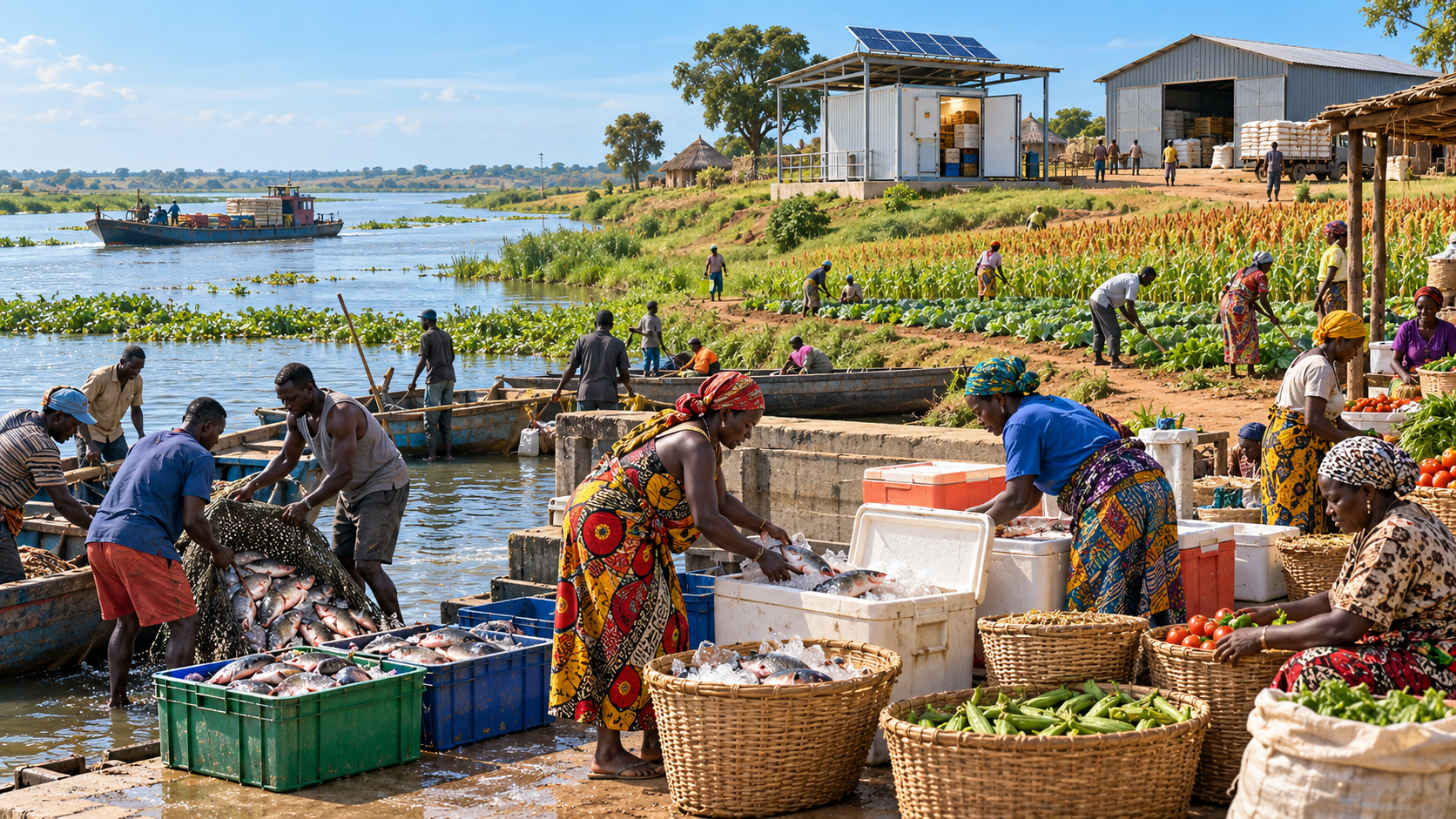
Illustrative editorial artwork representing livelihood recovery. It does not depict a named community or current project.
For years, Upper Nile’s displaced families have been told that peace will make return possible. But returning to a damaged village without security, clean water, a functioning school, health care or a livelihood is not sustainable recovery. It merely transfers humanitarian need from one location to another.
The influx of South Sudanese returnees and Sudanese refugees has made this distinction urgent. Border and transit operations may move people onward, but county administrations and host communities ultimately carry the long-term responsibility.
Measure successful return honestly
Authorities and aid agencies should not measure success only by the number of people transported or registered. A more meaningful return framework would track whether households remain safely after six and twelve months, whether children attend school, whether land disputes are resolved, whether clinics operate and whether adults can earn income.
Return decisions must be voluntary and informed. Families need accurate information about local security, services, flooding and land conditions before travelling.
Land and property disputes
Years of conflict and displacement have produced overlapping claims to homes, farms and grazing areas. Some properties were abandoned, occupied, allocated again or destroyed. If those disputes are left to armed actors or political patrons, return can trigger new violence.
Upper Nile needs accessible land and property mediation involving customary authorities, women, legal professionals, county officials and representatives of displaced communities. Decisions should be documented and subject to appeal. Widows and women-headed households require specific protection where customary practice limits their ability to assert claims.
Rebuild services around communities
Recovery plans should identify priority service hubs that can support both returnees and existing residents. Rather than constructing isolated buildings, government and partners should fund complete service packages: teachers and materials for schools; staff, medicines and referral transport for clinics; technicians and maintenance budgets for water systems.
Mobile teams, river clinics, temporary learning spaces and satellite connectivity can bridge gaps while permanent infrastructure is restored. Local recruitment can create employment while improving trust in services.
Livelihoods are part of peace
Returnees need tools, seed, fishing equipment, veterinary services, small grants and market access. Youth programmes should connect training directly to real work in construction, boat repair, solar installation, telecommunications, food processing and public maintenance.
Host communities must receive comparable assistance. Targeting only newcomers can generate resentment among residents who have endured the same insecurity, floods and service failures.
A locally negotiated recovery compact
Each county should publish a recovery compact setting out security commitments, service priorities, land-dispute procedures, infrastructure projects and measurable deadlines. Community representatives should review progress publicly every quarter.
This would transform recovery from a collection of short projects into a social contract: authorities provide security and services; communities participate in planning and reconciliation; donors support transparent priorities; and residents can monitor results.
Sources and further reading
- Reuters, 14 August 2026: humanitarian funding and refugee-assistance warning.
- UNICEF South Sudan: flooding, service access and community preparedness.