
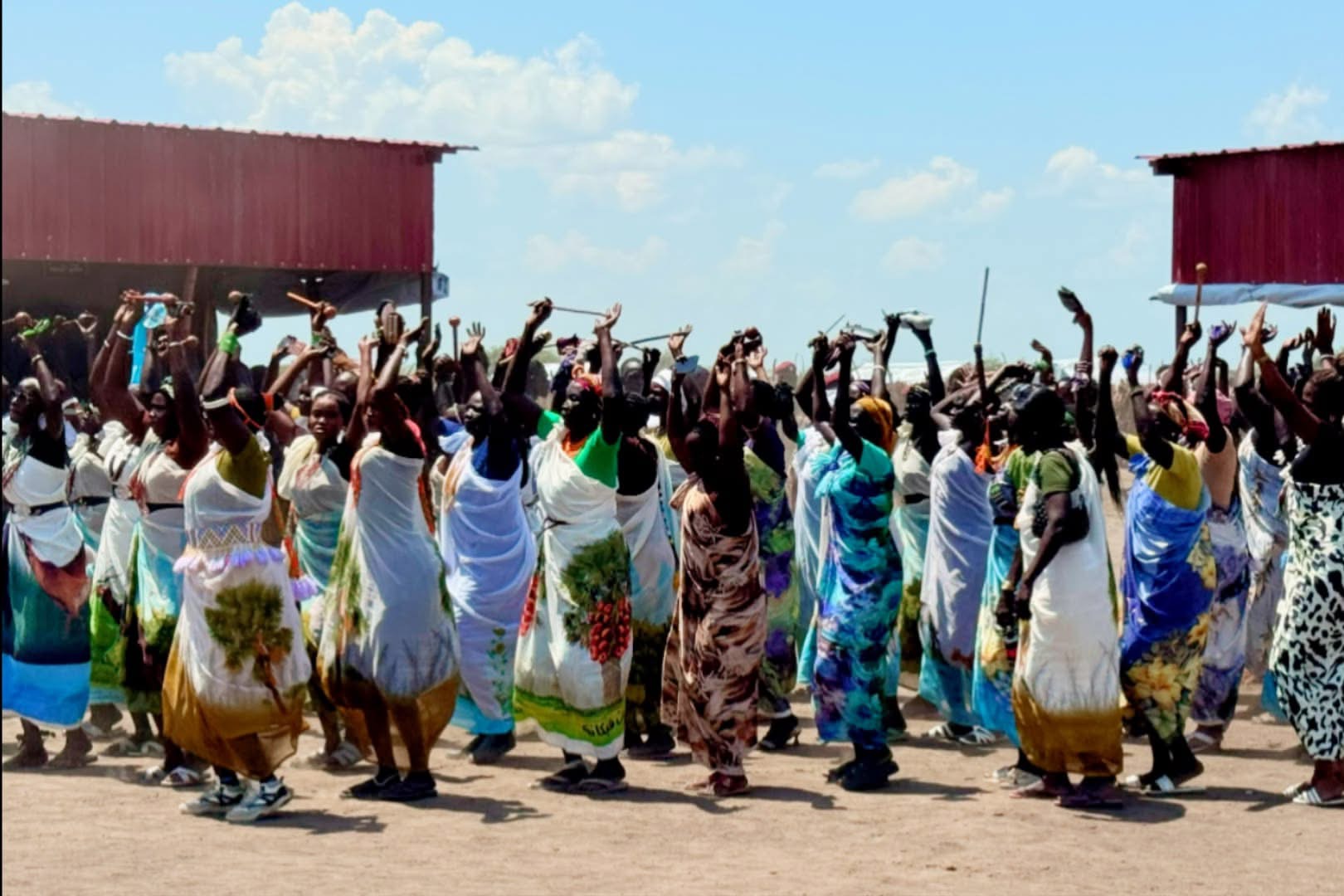
Upper Nile State authorities say a peace and reconciliation conference involving communities from Baliet, Ulang and Nasir counties is intended to reduce tensions, rebuild trust and restore movement and trade across an area repeatedly affected by insecurity.
The conference was scheduled to run from 24 to 30 August 2026. Upper Nile State Minister of Peacebuilding Piot Aben Gach said preparations had been completed and called on residents of the three counties to participate actively.
Rebuilding trust after disrupted relations
According to the minister, recent tensions and conflict have damaged relations among communities and disrupted social and economic activity. The conference is intended to provide a forum for grievances to be discussed and for practical steps toward peaceful coexistence to be identified.
The initiative is being organised by the Upper Nile State government with support from national and international partners.
Malakal–Nasir waterway is a central issue
One of the most consequential issues on the agenda is the reopening of the waterway between Malakal and Nasir.
The route connects communities in Baliet, Ulang and Nasir and provides an important channel for food, essential commodities and passenger movement. It also links Upper Nile toward neighbouring Ethiopia.
Restoring reliable movement along the route could have an immediate economic effect by reducing transport constraints, improving access to markets and allowing households and traders to move goods more freely.
Why the corridor matters
Movement: communities depend on waterways where road infrastructure is weak.
Trade: reopening routes can reduce supply disruptions and improve market access.
Confidence: freedom of movement can become a practical test of whether local reconciliation is holding.
International partners are supporting the process
Gach named the Civil Affairs Division of UNMISS, the International Organization for Migration, the Danish Refugee Council and the United Nations Development Programme among organisations supporting preparations.
The state government said it would provide security and logistical support for participating organisations.
The measure of success will be what changes after the conference
Peace conferences can create space for dialogue, but their value ultimately depends on whether agreed commitments change conditions on the ground.
For communities in Upper Nile, the key indicators will include whether travel becomes safer, commercial routes reopen, retaliatory violence declines and local authorities create mechanisms for resolving disputes before they escalate.
What South Sudan Press is watching
- Whether the conference concludes with a written communiqué or specific commitments.
- Whether the Malakal–Nasir waterway reopens in practice.
- Whether traders and civilians can move safely between the three counties.
- What follow-up mechanism is established for grievances and local disputes.
- Whether security incidents decline after the talks.